In the world of professional facility management, the humble mop bucket is often overlooked—until it fails. Whether you are managing a high-traffic hospital corridor, a greasy industrial kitchen, or the deck of a marine vessel, the efficiency of your commercial mop bucket directly impacts your labor costs, floor safety, and hygiene standards.
Choosing the right mop bucket with wringer isn't just about picking a yellow plastic bin; it’s about ergonomics, durability, and specialized mechanics. This guide breaks down everything you need to know to make a high-ROI purchasing decision for your janitorial fleet.
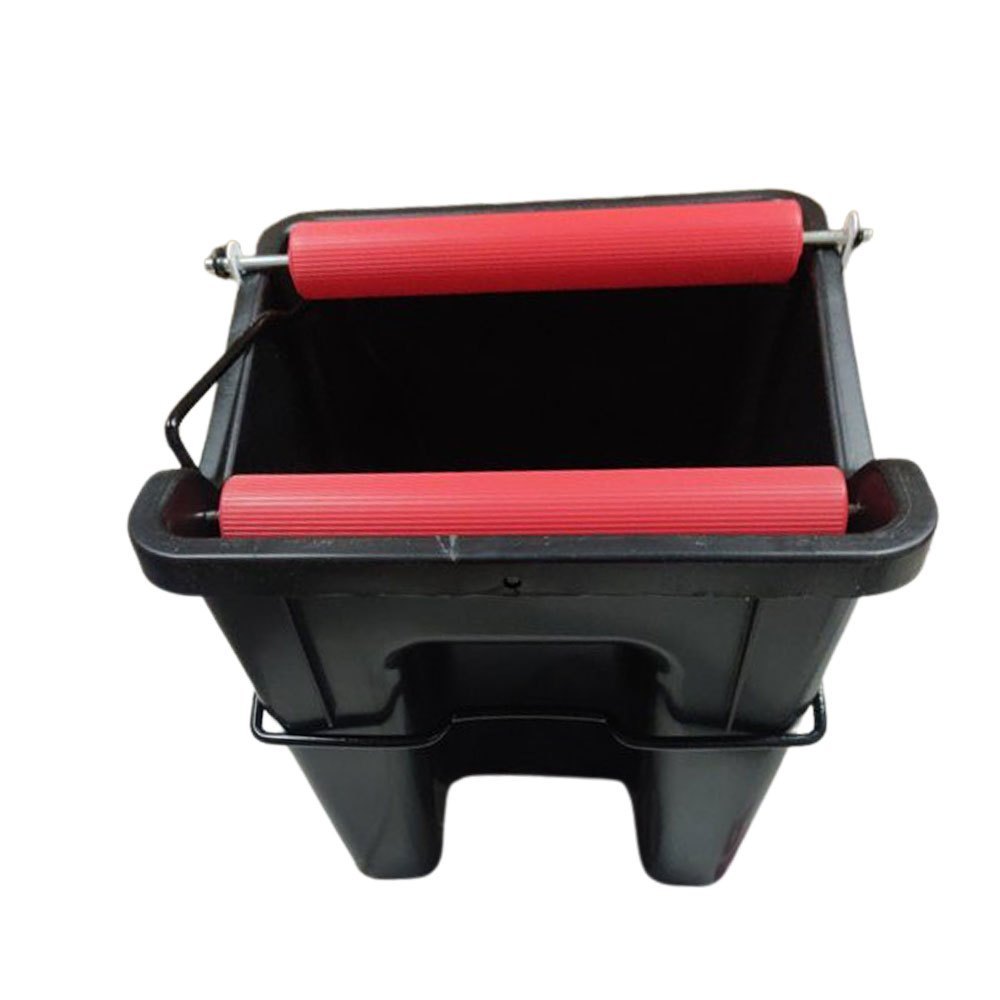
Why Your Choice of Commercial Mop Bucket Matters
Cheap, consumer-grade buckets lack the structural integrity to withstand the chemical exposure and physical rigors of a commercial environment. Investing in professional industrial cleaning equipment offers three primary advantages:
Labor Efficiency: High-efficiency wringers remove more water with less effort, allowing floors to dry faster and reducing "wet floor" downtime.
Worker Safety: Ergonomic designs reduce the risk of Repetitive Strain Injuries (RSI) and back pain among janitorial staff.
Hygiene Control: Advanced systems, such as the dual mop bucket, prevent cross-contamination by keeping clean water and dirty rinse water separate.
Decoding Wringer Types: Side Press vs. Down Press
The wringer is the engine of your mop bucket. Choosing the wrong type can lead to worker fatigue or poorly dried floors.
Side Press Wringers
The side press wringer is the most common variety found in commercial settings. It uses a vertical handle that you pull toward you, squeezing the mop head between two plates.
Best for: Small to medium-sized string mops.
Pros: Generally more affordable and easier to replace.
Cons: Requires more physical force; can be less effective at wringing out heavy-duty large loop-end mops.
Down Press Wringers
A down press wringer utilizes a gear-driven mechanism. You push the handle downward to compress the mop head.
Best for: Large, heavy-duty mops and high-volume cleaning.
Pros: Highly ergonomic as it uses your body weight to apply pressure; typically more durable than side-press models.
Cons: Higher initial price point; slightly larger footprint.
Comparison: Single Bucket vs. Dual Mop Bucket Systems
| Feature | Single Bucket System | Dual Mop Bucket System |
| Best Use Case | Small offices, quick spills | Healthcare, kitchens, large facilities |
| Hygiene | Moderate (water gets dirty quickly) | High (separates clean/dirty water) |
| Weight | Lighter, easier to maneuver | Heavier when full |
| Chemical Usage | High (frequent water changes needed) | Optimized (clean water stays clean longer) |
| Price | Budget-friendly | Premium investment |
Industry-Specific Use Cases
1. Healthcare & Hospitality
In these environments, the dual mop bucket is the gold standard. By ensuring the mop is only ever dipped into clean, sanitized water, you drastically reduce the risk of spreading pathogens. Look for models with non-marking casters to protect high-gloss lobby floors.
2. Marine Industry
Marine buyers require janitorial cleaning supplies that can withstand saltwater corrosion and ship movement. Stainless steel frames and heavy-duty, locking casters are essential for maintaining decks and galleys safely at sea.
3. Industrial & Warehousing
Industrial floors often face heavy oils and grime. A high-capacity commercial floor cleaning equipment setup with a heavy-duty down press wringer is necessary to handle the thick, absorbent mops required for these environments.
4. Microfiber Systems
If your facility has transitioned to a microfiber mop system, you need specialized flat-mop wringers. Standard wringers are designed for string mops and will not effectively dry microfiber pads.
Key Features to Look For (The Buyer's Checklist)
When sourcing floor cleaning tools, evaluate these five criteria to ensure longevity:
Bucket Capacity: Most commercial buckets range from 26 to 35 quarts. Choose based on the square footage of your facility.
Caster Quality: Look for 360-degree ball-bearing casters. Cheap wheels squeak, mar floors, and break under heavy loads.
Material: High-density polyethylene (HDPE) is the standard for chemical resistance. For extreme environments, consider stainless steel.
Ergonomics: Look for high-back designs that reduce splashing and handles that sit at a comfortable height.
Pour Spouts: A well-designed spout or a bottom-drain plug prevents heavy lifting when it's time to empty the bucket.
Maintenance for Longevity
To get the most out of your industrial cleaning equipment, follow these maintenance tips:
Rinse After Use: Chemical residue can degrade plastic and corrode metal springs over time.
Lubricate the Gears: If you have a down press wringer, a drop of food-grade silicone lubricant on the gears once a month keeps the action smooth.
Inspect Casters: Remove hair and debris from wheels to prevent floor scratching and "dragging."
Expert Insight: The True Cost of "Cheap" Equipment
“As an industry expert, I often see facility managers try to save 20% on the initial purchase by choosing unbranded buckets. However, when you factor in the labor time lost to inefficient wringing and the replacement cost when a plastic handle snaps, the 'expensive' dual-bucket system pays for itself within six months.”
Frequently Asked Questions (FAQ)
Q: Which wringer is better for back pain?
A: The down press wringer is generally better for ergonomics because it allows the operator to use their body weight to compress the mop, rather than relying solely on arm and shoulder strength.
Q: Can I use a string mop bucket for microfiber mops?
A: Generally, no. Microfiber mops require a flat-press wringer to remove water evenly across the pad.
Q: How often should I change the water in a single bucket system?
A: For optimal hygiene, change the water as soon as it becomes visibly cloudy or after cleaning roughly 500–800 square feet.
Conclusion: Upgrade Your Clean
Selecting the best commercial mop bucket with wringer is a foundational step in professionalizing your cleaning operations. By choosing between a side press or down press based on your team's needs and considering a dual mop bucket for superior hygiene, you protect your staff, your floors, and your bottom line.
Ready to equip your team with the best?
Browse Al Mashal Marine full range of industrial cleaning equipment and janitorial cleaning supplies today. Invest in quality that lasts—because your floors deserve more than a "quick mop."
Comments
Post a Comment